The Methods · Maison I
Mirepoix: Foundation, Not Filler
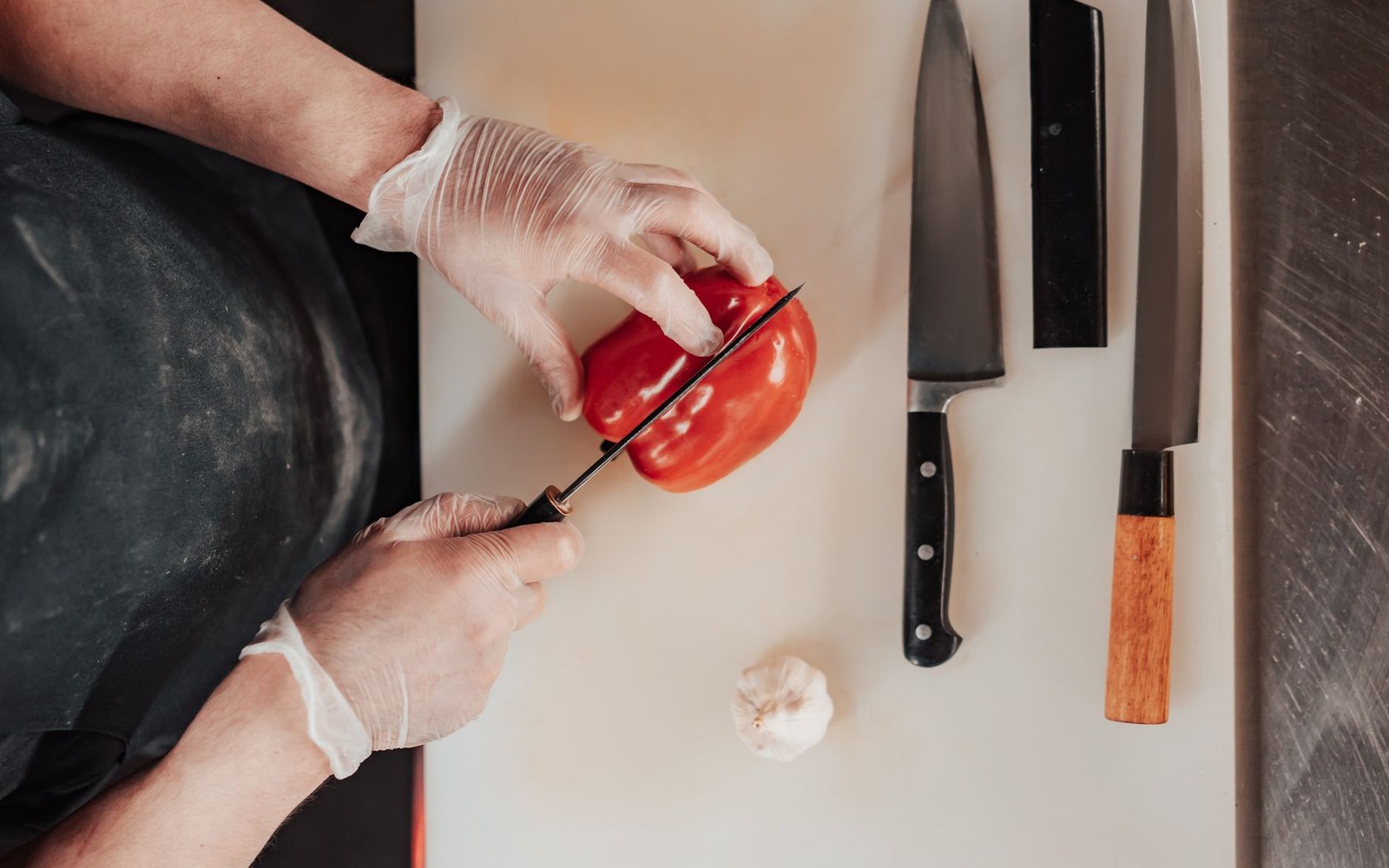
The three vegetables in the corner of every French pot are not seasoning — they are structure. Cut them wrong and the structure fails.
What the Proportions Are Doing
The classic ratio — two parts onion, one part carrot, one part celery — is not a convention for its own sake. Onion provides most of the sweetness and the bulk of the soluble aromatics. Carrot contributes colour, a restrained sweetness, and body. Celery adds bitterness and volatile compounds that would dominate if used in equal measure. Change the ratio and you change the flavour architecture of everything built on top of it: the stock, the braise, the sauce.
The cut matters for a different reason. Mirepoix is almost always a sacrificial element — it will be strained out or left behind. What you are extracting is not the vegetable itself but what it releases into fat or liquid. Cut size controls the rate of that release. A fine dice gives up its aromatics quickly and fully; a rough chop releases more slowly and survives a longer cooking time without turning acrid. Match the cut to the cooking time, not to a single formula.
| Fine dice | Fast extraction — sauces and short braises of 30–45 minutes |
| Medium dice | The standard for stocks of a few hours |
| Rough chop | Long braises and overnight stocks; survives without turning acrid |
Sweated Versus Raw: Two Different Jobs
When you sweat mirepoix in fat before adding liquid, you are doing something specific: driving off surface water so the vegetables can begin to soften and caramelise gently, releasing fat-soluble aromatics that would never dissolve into a water-based stock. This is why the fat matters — butter for a fond blanc, where you want sweetness and pallor; oil or rendered fat for something more robust. The vegetables should soften and turn translucent without browning, unless you are making a fond brun, where a little colour is the point.
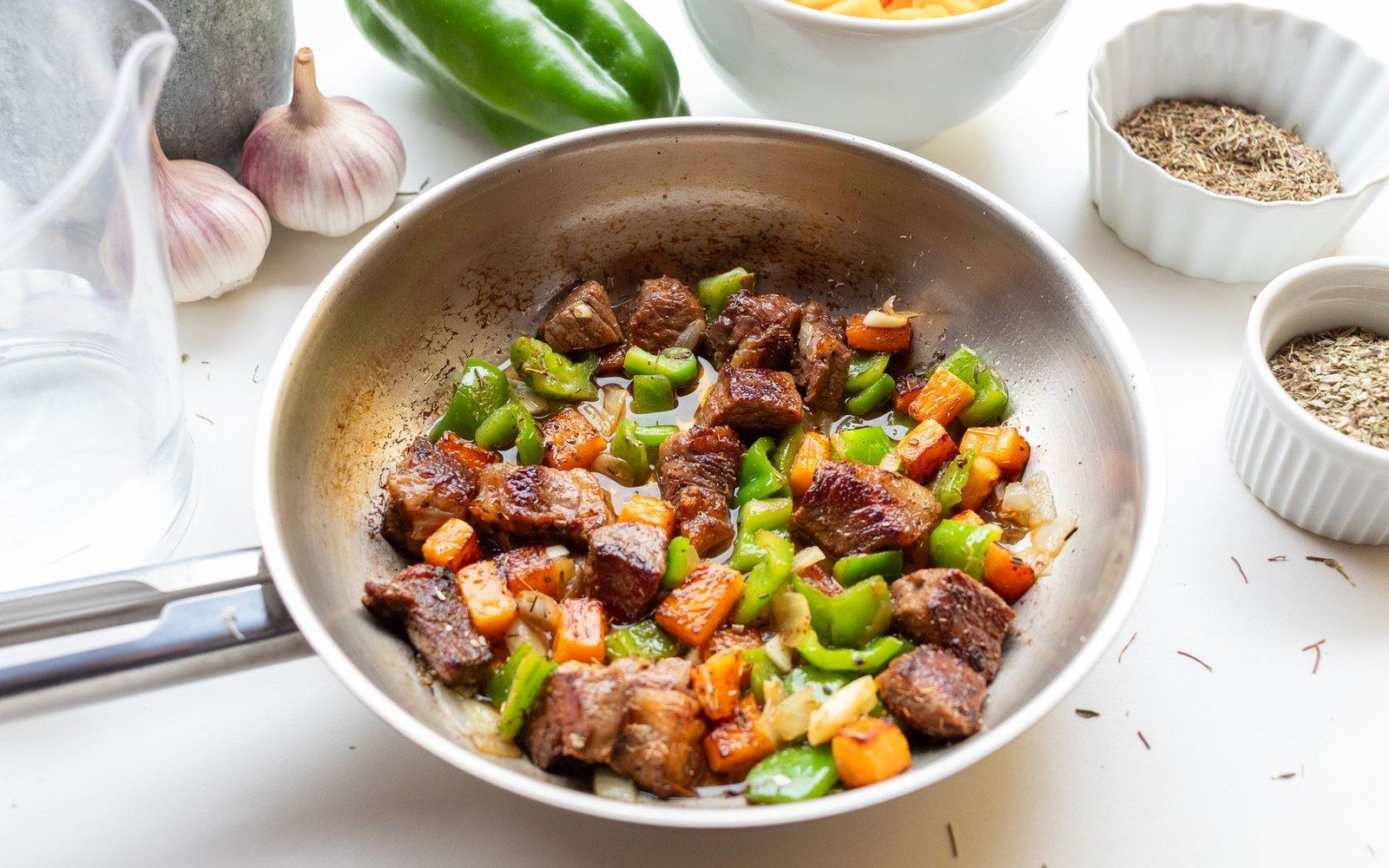
Added raw to a braise — tucked around a piece of meat with no prior sweating — the mirepoix behaves differently. It cooks slowly in the liquid and rendered fat over hours, eventually contributing an almost melted, deeply savoury sweetness to the braising liquor. Here a larger cut is correct; a fine dice will dissolve entirely and cloud the liquid before the meat is ready.
The error most cooks make is treating mirepoix as one thing. It is at least two: a quickly-sweated aromatic base that opens a sauce, and a long-cooked vegetable bed that builds depth in a braise. The vegetable combination is the same; the cut, the fat, and the timing are not. Understanding that distinction is what separates a mirepoix that founds a dish from one that merely occupies a corner of the pot.
Continue in the house