The Methods · Maison I
Why a Roux Works
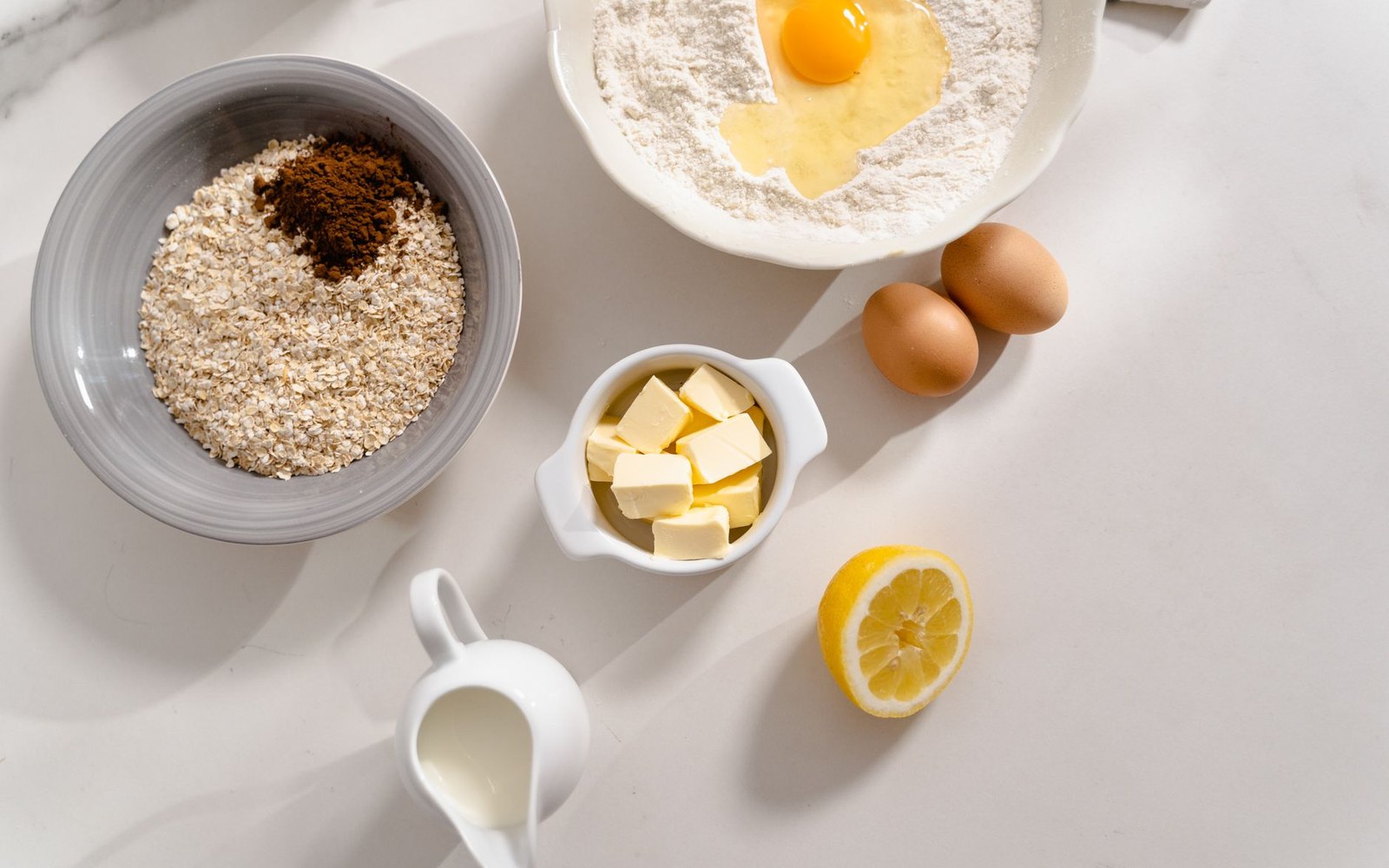
Fat, flour, heat, and the chemistry that turns a paste into a sauce
The science in plain terms
A roux is nothing more than fat and flour cooked together, but that deceptively simple definition hides the reason it works. Flour contains starch granules, which are tightly coiled bundles of amylose and amylopectin molecules. Left alone in cold water, those granules absorb liquid slowly and incompletely. When you heat them in water without any fat, they tend to clump — each granule swells and grabs its neighbours, leaving lumps suspended in an otherwise thin liquid. The fat in a roux is there precisely to prevent this. Coating each starch granule in fat before any liquid arrives means the granules disperse individually when liquid is added, swelling smoothly and evenly as heat drives gelatinisation. The result is a sauce that thickens without lumps.
Gelatinisation itself is what actually does the work. When the fat-coated granules meet hot liquid, the heat causes them to absorb water, swell, and eventually burst, releasing their starch molecules into solution. Those loose starch molecules entangle with one another and create a network that holds water in suspension — which is what thickness means in a sauce. Without sufficient heat, the granules swell but never fully burst; the sauce will feel thin and may have a distinctly starchy, floury taste that no amount of simmering or seasoning will disguise.
This is why cooking the roux before adding liquid matters so much. Two or three minutes over moderate heat, stirring constantly, drives off the raw flour taste — the volatiles responsible for that starchy mustiness — without burning the paste. Undercook the roux and the flavour is dull and heavy. Overcook it and you lose thickening power because prolonged heat degrades starch molecules before they have a chance to do their job in the finished sauce.
Fat, flour, and the ratio between them
The classical ratio for a standard roux is equal weights of fat and flour — not equal volumes, which would skew toward too much fat. Fat is denser than flour, so measuring by the cup gives you a different paste from measuring by the gram. The equal-weight ratio produces a cohesive, workable paste; go significantly higher in fat and the starch granules are over-coated, which slows the gelatinisation once liquid arrives; go higher in flour and the paste is dry, crumbly, and prone to lumping.
By weight, not by volume: the classical ratio is equal grams of fat and flour. Measured by the cup, fat’s higher density skews the paste and the sauce pays for it.
The choice of fat is a separate question from ratio. Butter is the default in classical French work and contributes flavour as well as function. Clarified butter is sometimes preferred because the absence of milk solids lets you cook the roux longer, at a higher temperature, without the risk of browning from burning proteins. For a white sauce where absolute pallor matters, that control is useful. For a dark roux, where the colour is the point, some preparations use neutral oil precisely because it can be taken further without catching.
The colour progression and what it means
The longer a roux cooks, the darker it becomes — and the darker it becomes, the less it thickens. This is not a paradox; it is chemistry. Heat breaks down starch molecules progressively, and the Maillard reaction between the flour's proteins and sugars produces the brown pigments and complex, nutty flavours that distinguish a blonde or brown roux from a white one. Those browned molecules do not gelatinise. A white roux, cooked barely past the raw stage, gives maximum thickening power and almost no colour. A blonde roux, cooked to a pale gold, thickens somewhat less but contributes a gentle, toasted note that suits velouté and similar preparations. A dark roux — as in a classic Cajun-influenced preparation, though the principle is universal — thickens only modestly but delivers deep, roasted flavour. You are always trading one quality for the other.
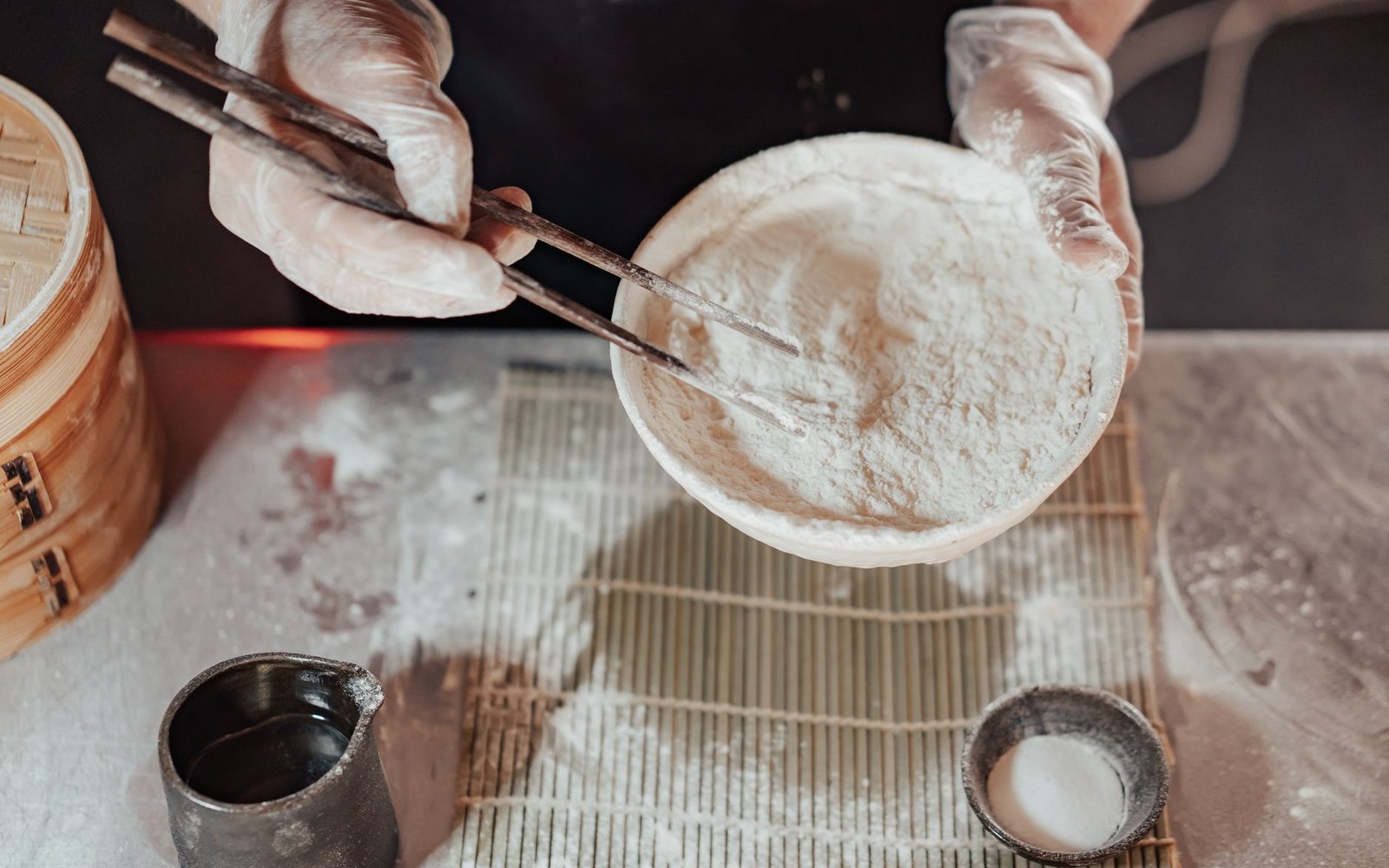
This trade-off explains why the mother sauces are calibrated as they are. Béchamel needs a white roux and reliable thickening power above all. Espagnole, built on brown stock and meant to carry a rich, roasted character, uses a darker roux that thickens less but adds to the overall depth. In both cases the roux is not a flavourless glue; it is a structural and flavour decision made simultaneously.
| Roux | Cooking | Thickening power | Flavour |
|---|---|---|---|
| White | Barely past raw | Maximum | Almost none — the neutral binder |
| Blonde | To a faint shortbread smell | Moderate | A gentle toasted note — the velouté stage |
| Brown | Extended, watched constantly | Notably reduced | Deep Maillard roast — espagnole territory |
Once you understand that the roux is really about managing starch at two points — dispersion before liquid, gelatinisation after — the mechanics stop feeling arbitrary. The fat, the ratio, the cooking time, and the colour are not four separate variables. They are one continuous decision about what kind of sauce you are building.
Continue in the house